Abbas Araghchi
Minister of Foreign Affairs (Iran)
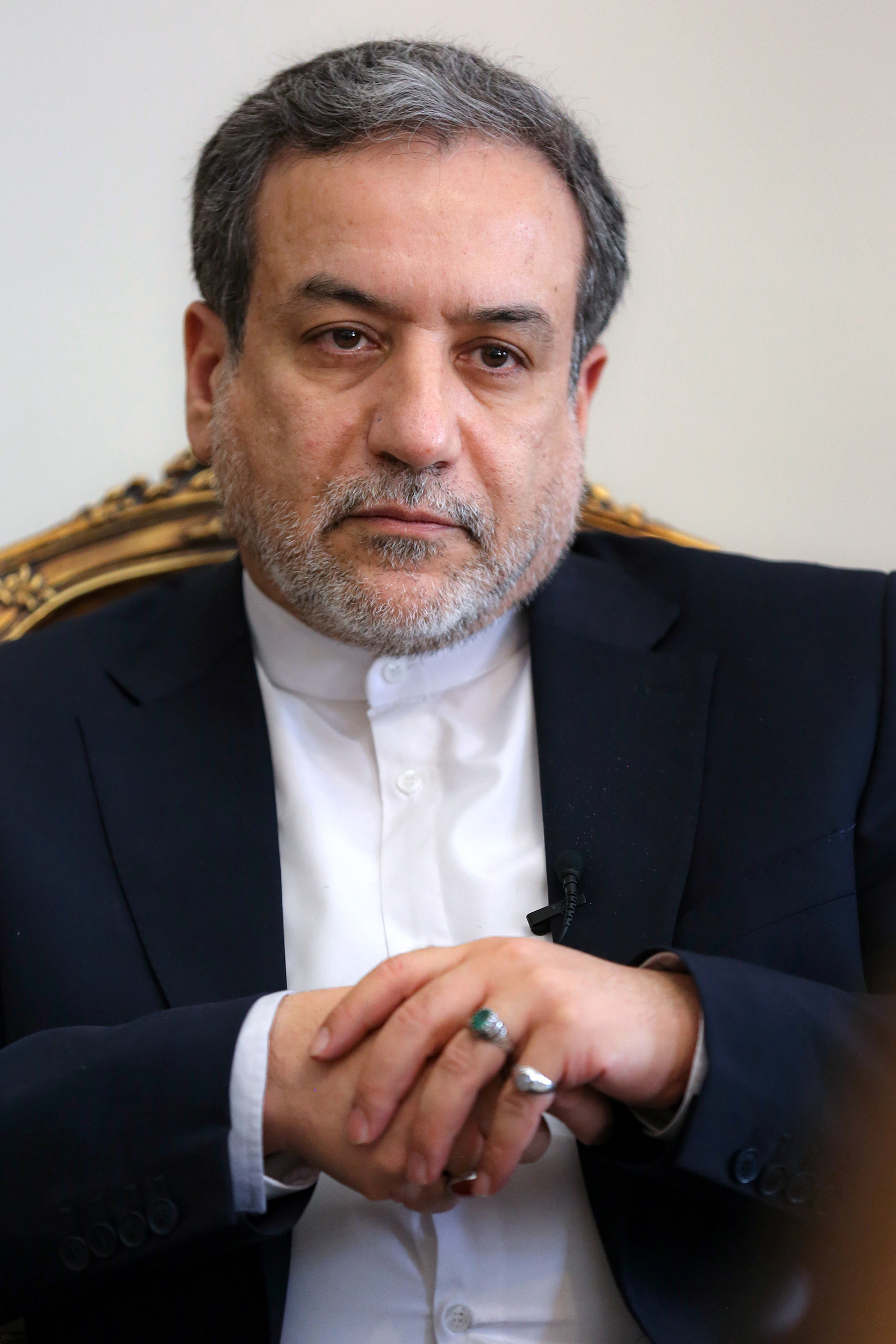
Leading figure in international communication, negotiations and response i UN/IAEA track.
Background
Abbas Araghchi is a key diplomatic figurehead for Iran, with responsibility to formulate the country's international line under high conflict tension. The role is about more than press releases; it is about establishing credible political positions in negotiation, crisis communication and multilateral contact surfaces.
In practice, the foreign minister's role functions as a channel between nationals security assessments and international expectations. There military events create noise, diplomatic messages attempt to create structure and predictability.
Historical context
Historically, Iranian diplomatic positions in crises have been used both to signal firmness and to keep limited openings for relaxation. This duality is a familiar part of regional power politics.
In 2026, this tradition becomes relevant because the rhetorical level of detail i diplomatic statements may provide early signs of either a harder line or pragmatic adjustment.
Role in Operation Epic Fury
In the context of Epic Fury, Araghchi influences how Iran grounds its own reactions and which international mechanisms the country highlights. That in turn influences how other actors interpret the scope for negotiation or pressure.
The role is also important for coordination with UN tracks, third party states and international institutions. Clarity here can reduce the risk of fallacies about intention and thresholds.
Key risk factors
- That diplomatic signals become too ambiguous in a situation with high tempo.
- That legal argumentation is not clearly linked to political practice.
- That internal and external communication diverges and creates uncertainty.
- Those negotiation windows disappear due to rhetorical locking.
What you should follow next
- Changes in wording regarding negotiation, responsibility and conditions.
- How international organizations are mentioned in new statements.
- Signs of new contact channels or format changes in diplomacy.
- Correspondence between diplomatic language and developments on the ground.
- Reactions of third-party actors to Iranian signals.
Analytical summary
Araghchi should be followed as an early indicator of political direction. Small ones shifts in diplomatic wording can herald major changes in how the conflict is handled further.
Last verified April 14, 2026: The role has been updated towards open sources (incl. AP/Reuters/CENTCOM/UN). The Araghchi track is still central to the communication about regional hits against critical infrastructure and i the trade-off between response and diplomatic lines of contact.