Important people
Updated 2026-04-27: profiles are aligned with the April 27 open-source checkpoint, including the formal ceasefire of April 15, Hormuz reopening on April 18, IAEA Fordow verification, and the Witkoff–Araghchi Geneva bilateral. Two new profiles added: Steve Witkoff (US Special Envoy) and Gen. Hossein Salami (IRGC Commander-in-Chief).
United States – political and military leadership
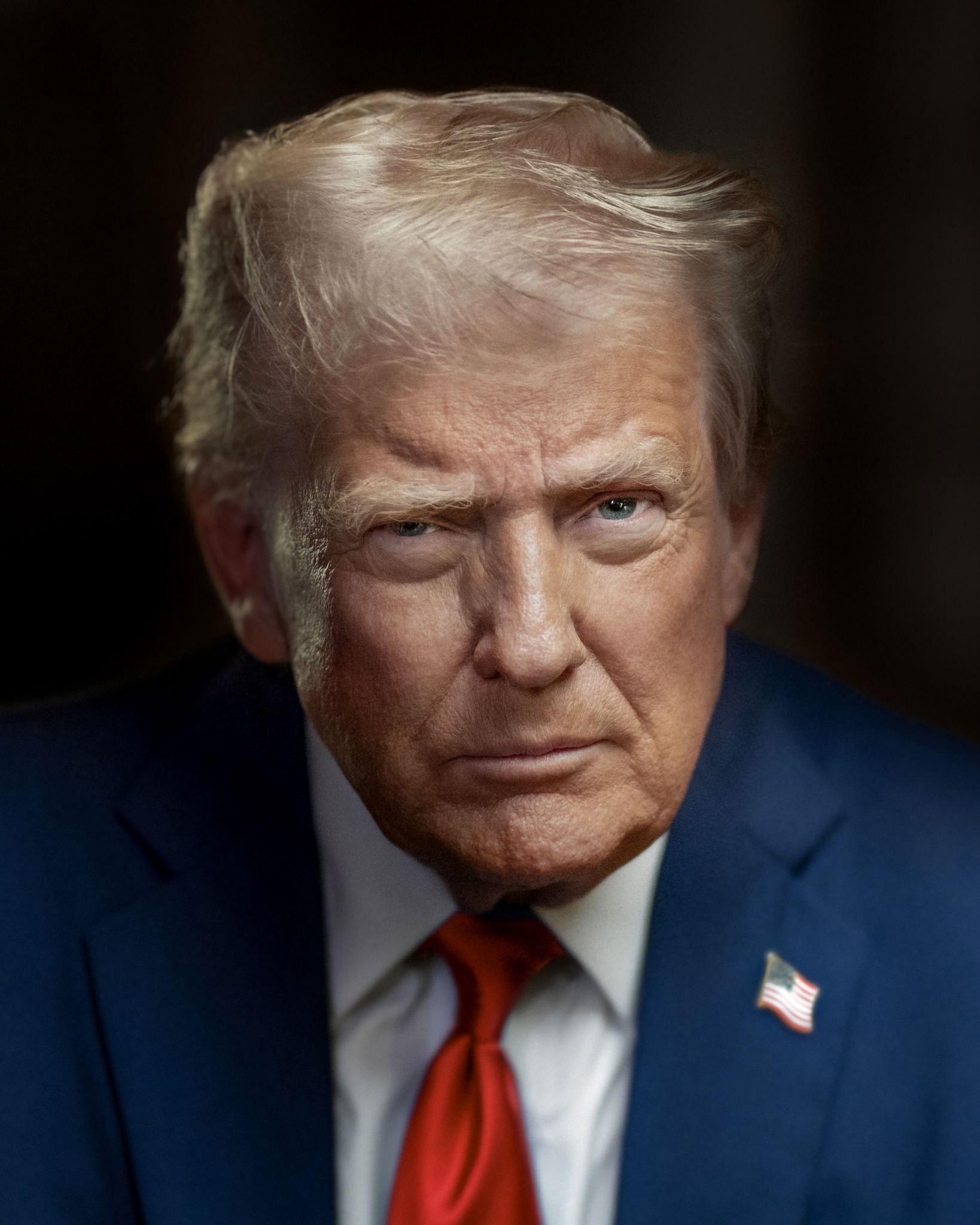
Overall decision maker for strategic goals, powers for the use of military force and public communications.
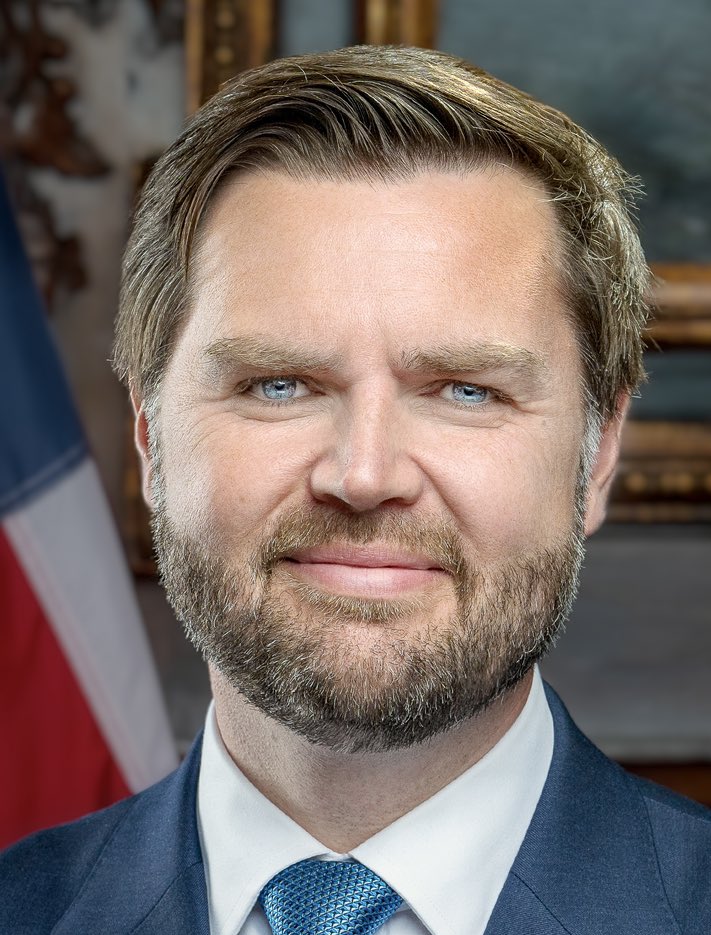
Supports the president's security policy line, participates in decision-making processes and represents the administration externally.
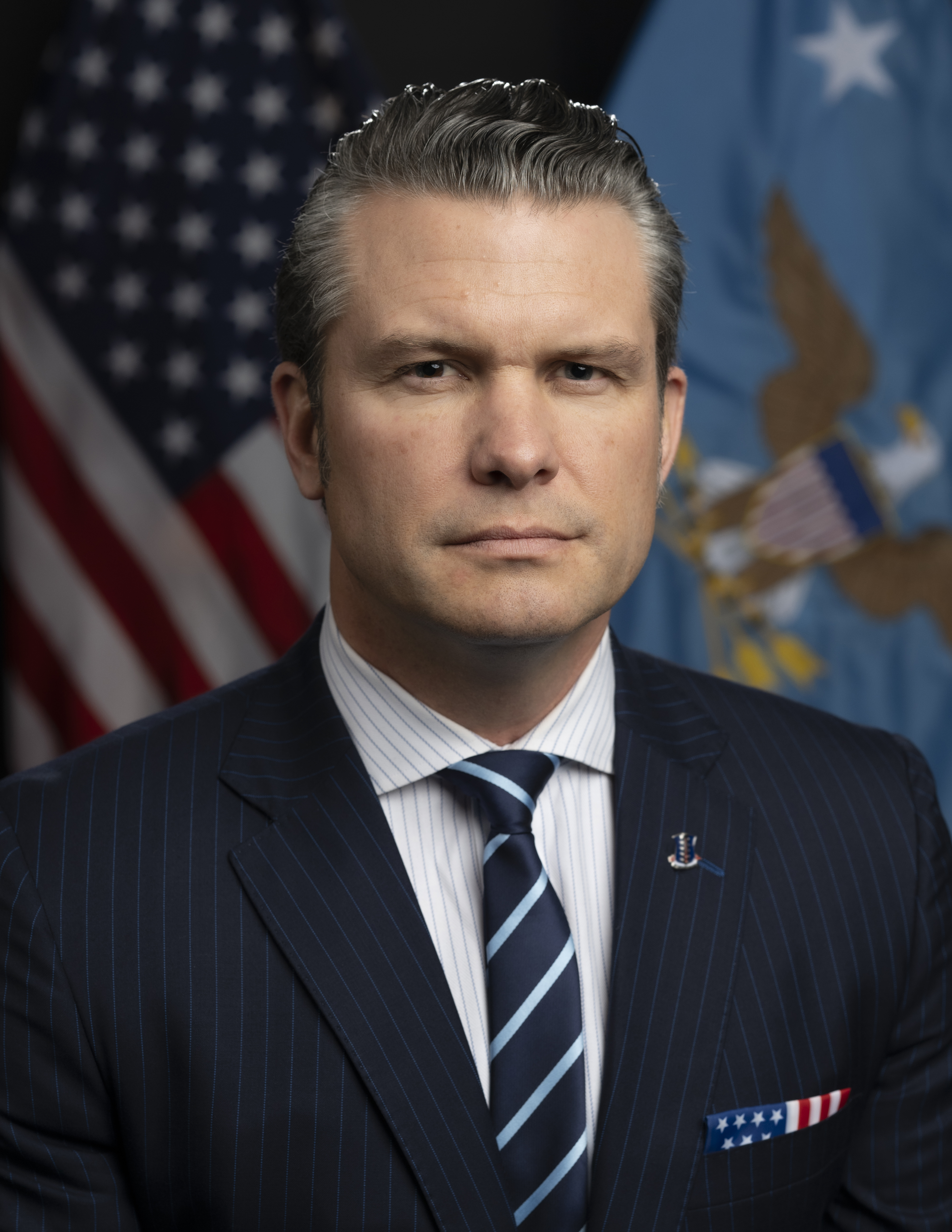
Top political leader in the Pentagon: prioritizes capabilities, approves plans and manages resource allocation.
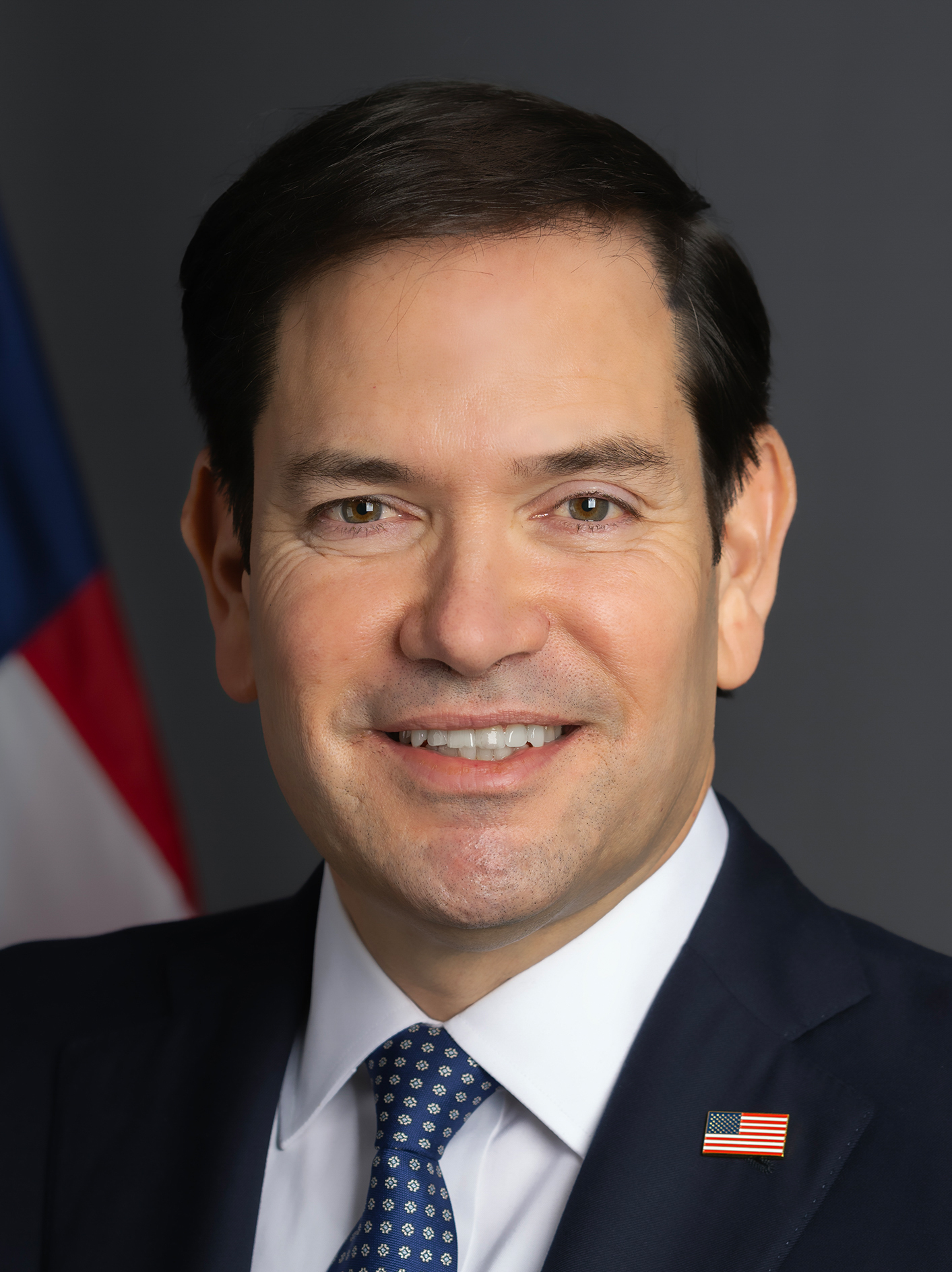
Coordinates diplomatic tracks, allies, sanctions and UN lines – parallel to military planning.
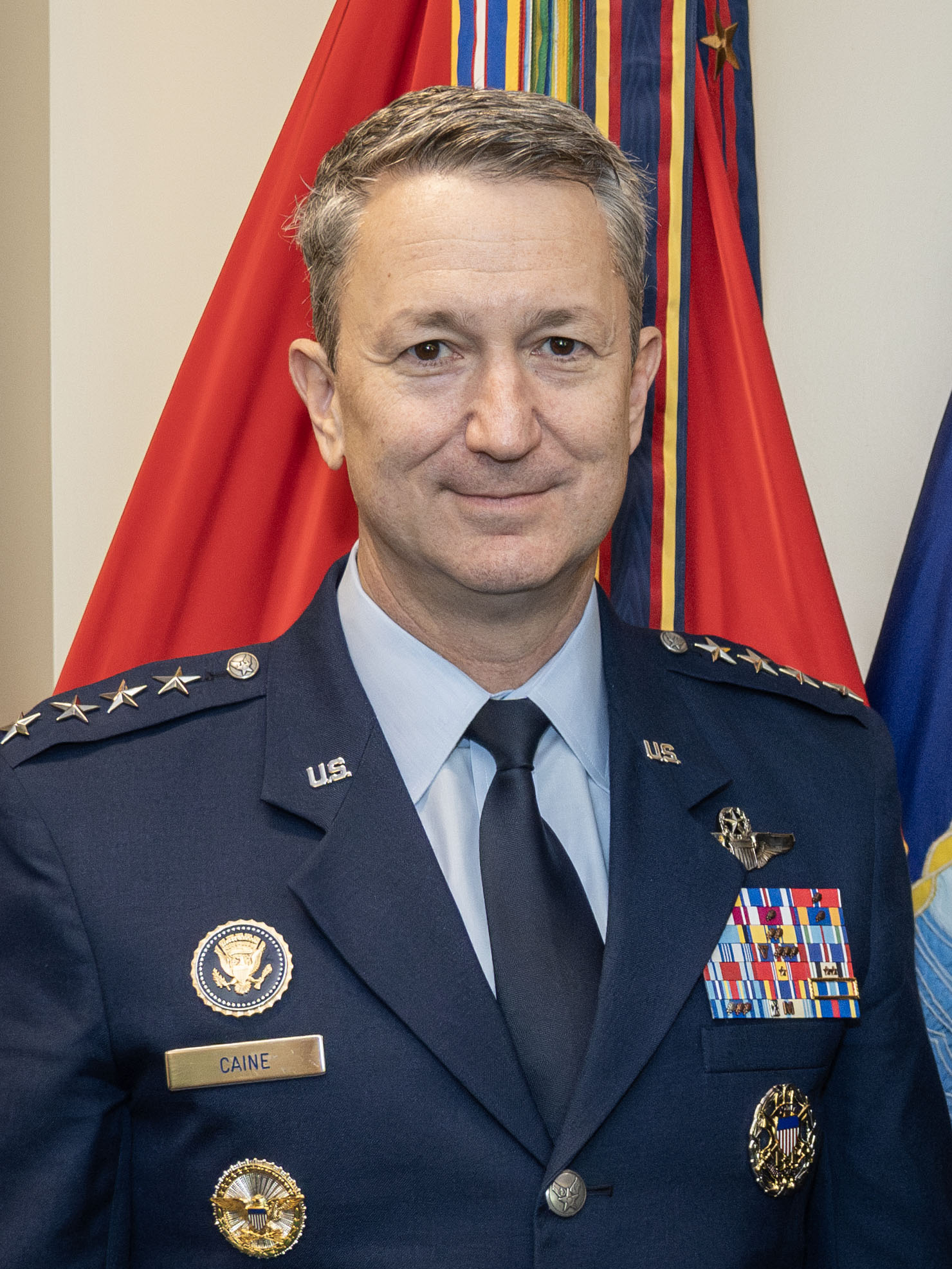
Senior military advisor: integrates services, advises on risk and military action options.
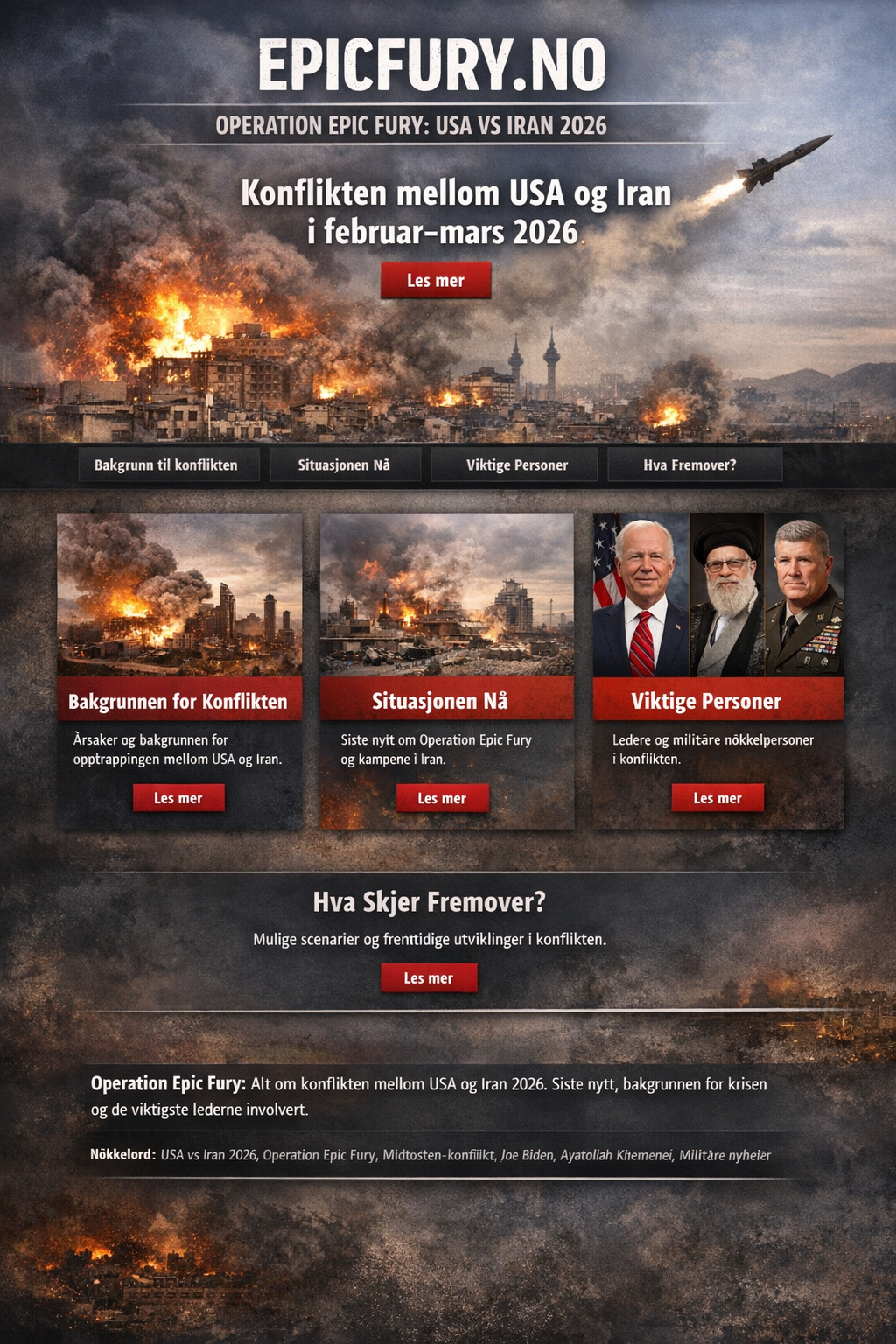
Planning and implementation in the area of responsibility, including air and naval operations, base protection and partner cooperation.
Principal US diplomatic architect of the post-conflict ceasefire framework and nuclear negotiation track; met Araghchi in Geneva on April 27.
Iran – political leadership and security apparatus
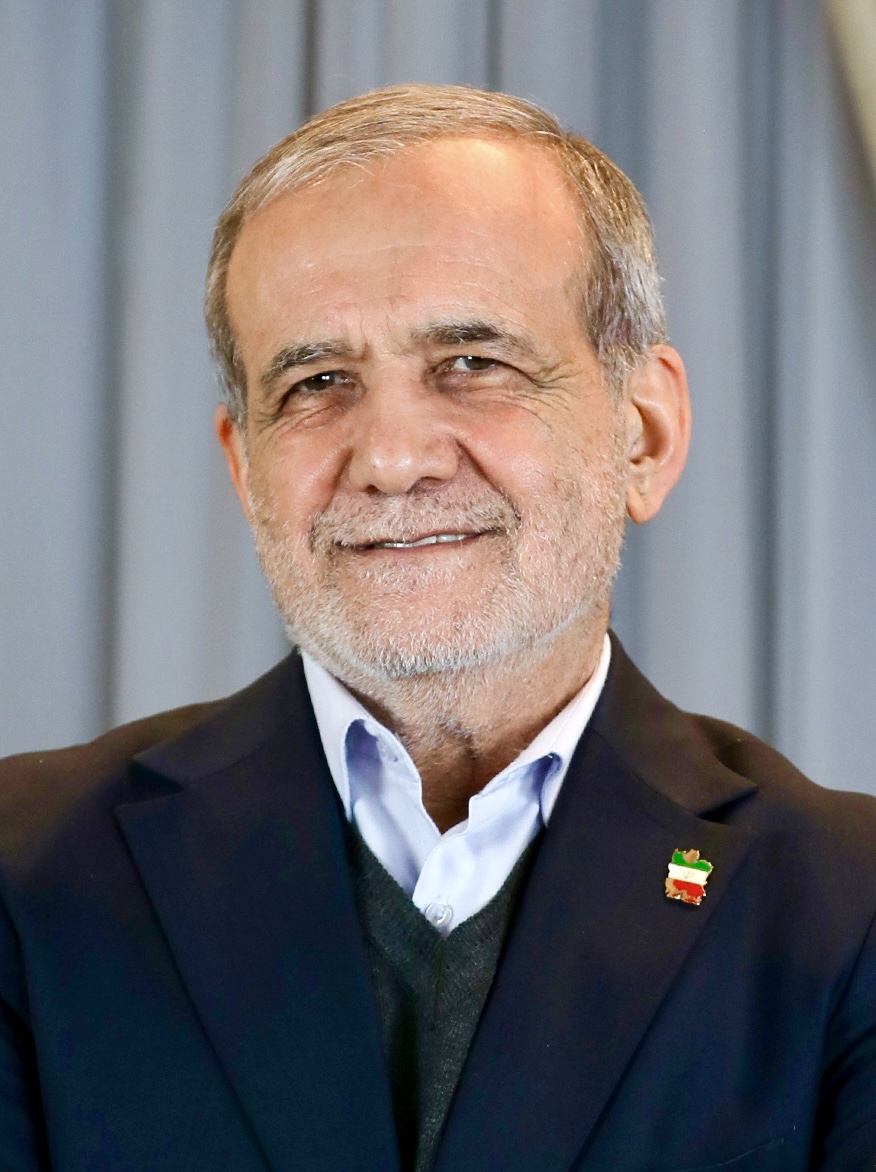
Senior civilian leader with responsibility for the government's line, communication and coordination with the security agencies.
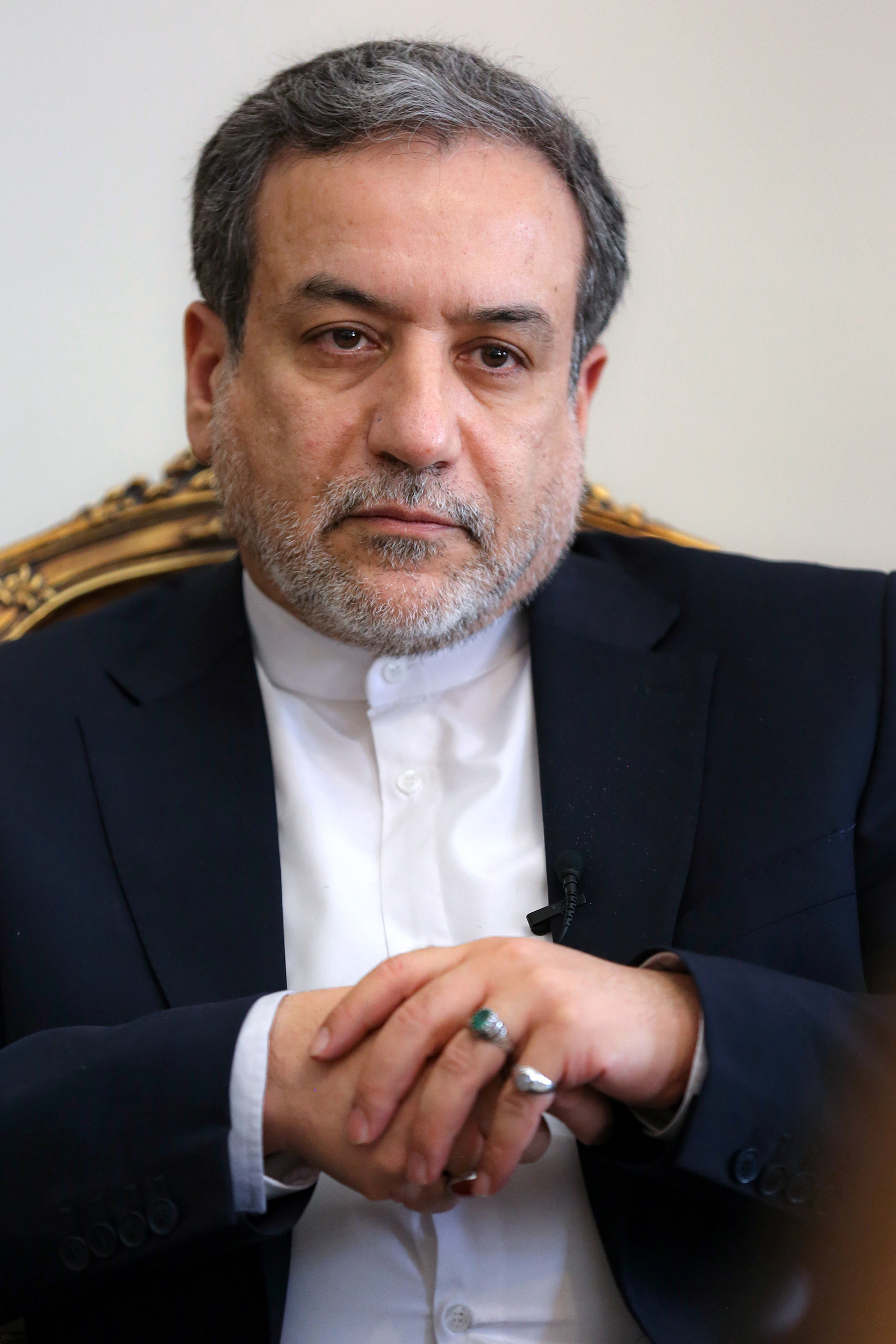
Leading figure in international communication, negotiations and response in UN/IAEA track.
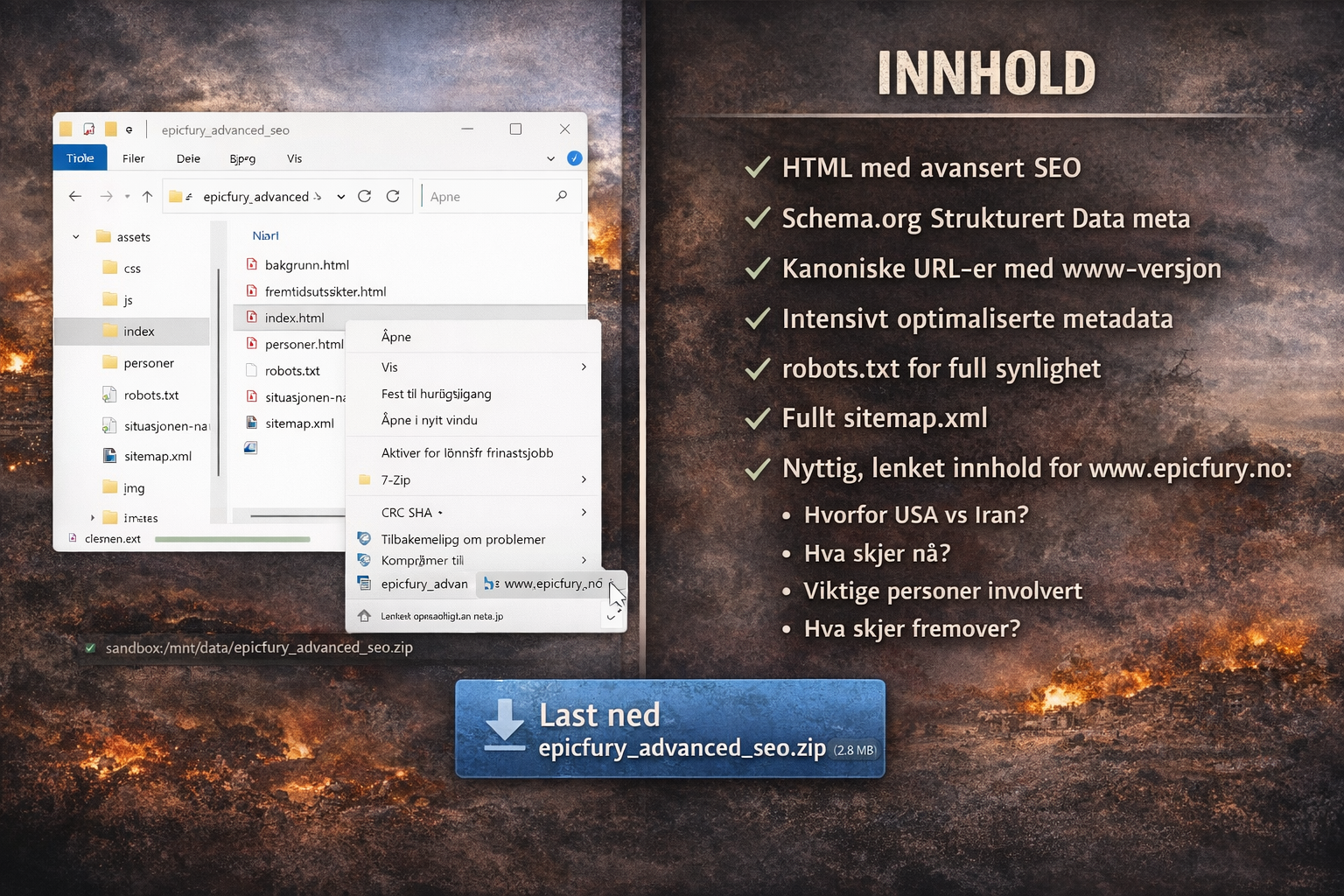
Core player for asymmetric response (drones/missiles), regional network and internal security.
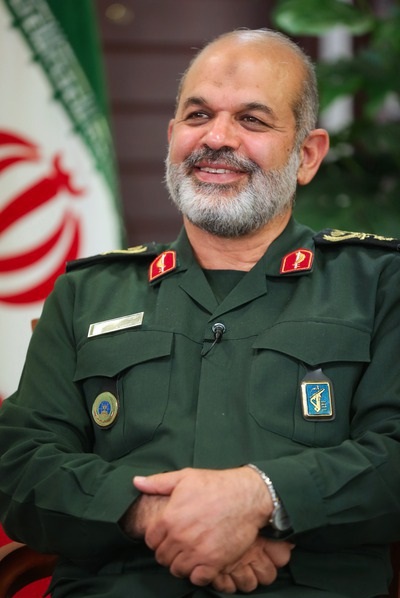
Internal security, preparedness, crisis management and coordination with security and order authorities.
Reported to have been appointed on 9 March 2026; key role for strategic direction, red lines and signalling in the conflict.
Featured in Reuters/Pentagon updates on March 10 as a key military voice on escalation tempo and Hormuz security options.
Supreme military commander of Iran's Revolutionary Guard; authorized the Al Udeid strike and Hormuz naval pressure operations throughout the conflict.
Israel and regional actors
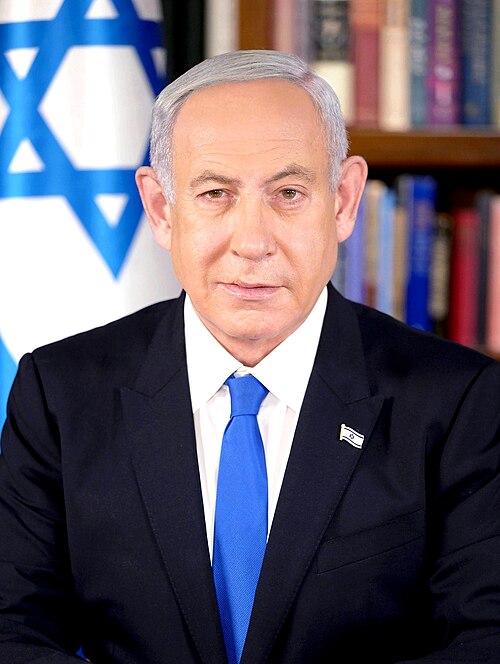
Overall political line for Israeli operations and coordination with allies (incl. USA).
Planning and implementation of Israeli objectives - often parallel to American measures.
Base access, airspace, air defense and protection of energy/transport infrastructure.
Relevant after Reuters coverage of the reported shutdown at Ruwais; central for understanding energy-system resilience and recovery signaling.

Key political decision-maker for national security posture, regional signaling and infrastructure-protection prioritization.
Relevant for tracking Ankara's diplomatic line between NATO, regional de-escalation channels and conflict spillover risks.
Raised in the CENTCOM message on March 2, 2026 after the friendly-fire incident in Kuwait in support of Operation Epic Fury.
Central regional actor as pressure around southeastern Turkey and the Kurecik radar axis remains part of ongoing NATO-regional air-defense coordination.
International institutions
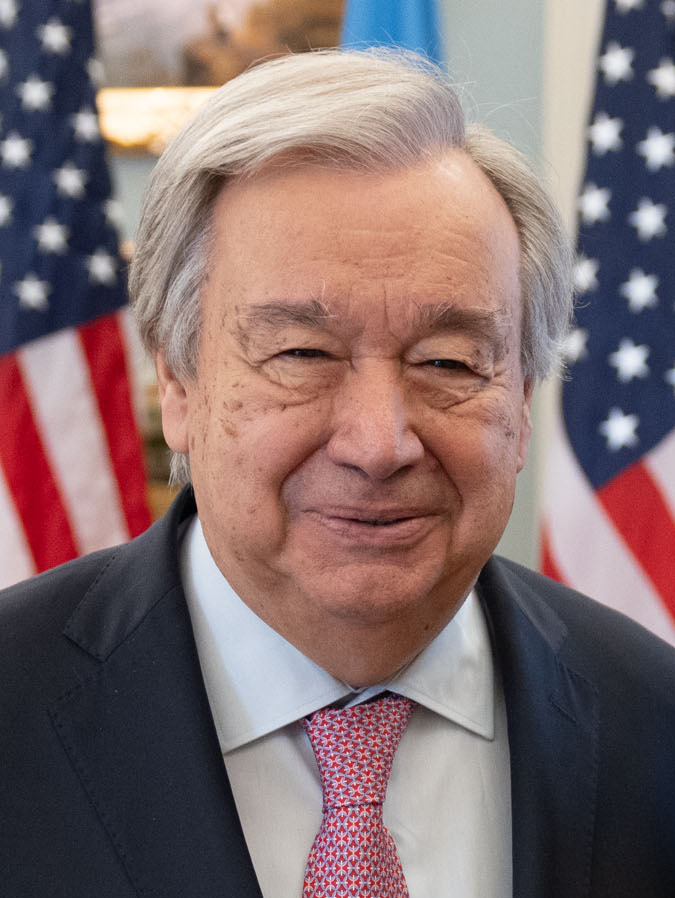
Legitimacy and de-escalation: statements, mediation and coordination of humanitarian lines.
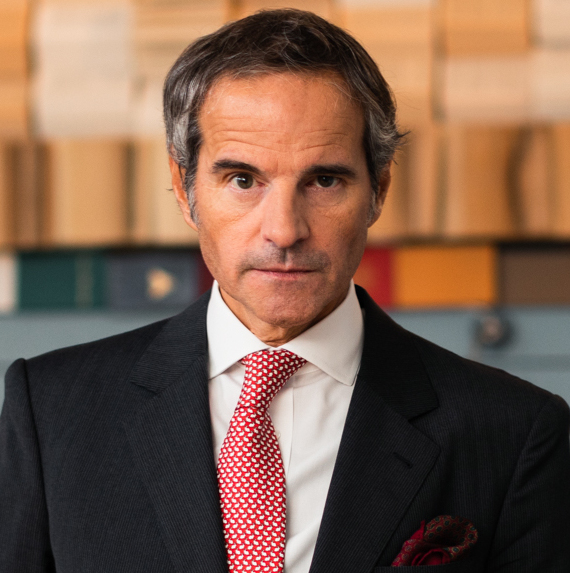
Technical and inspection authority on nuclear matters; reporting and verification shape diplomatic room for action.
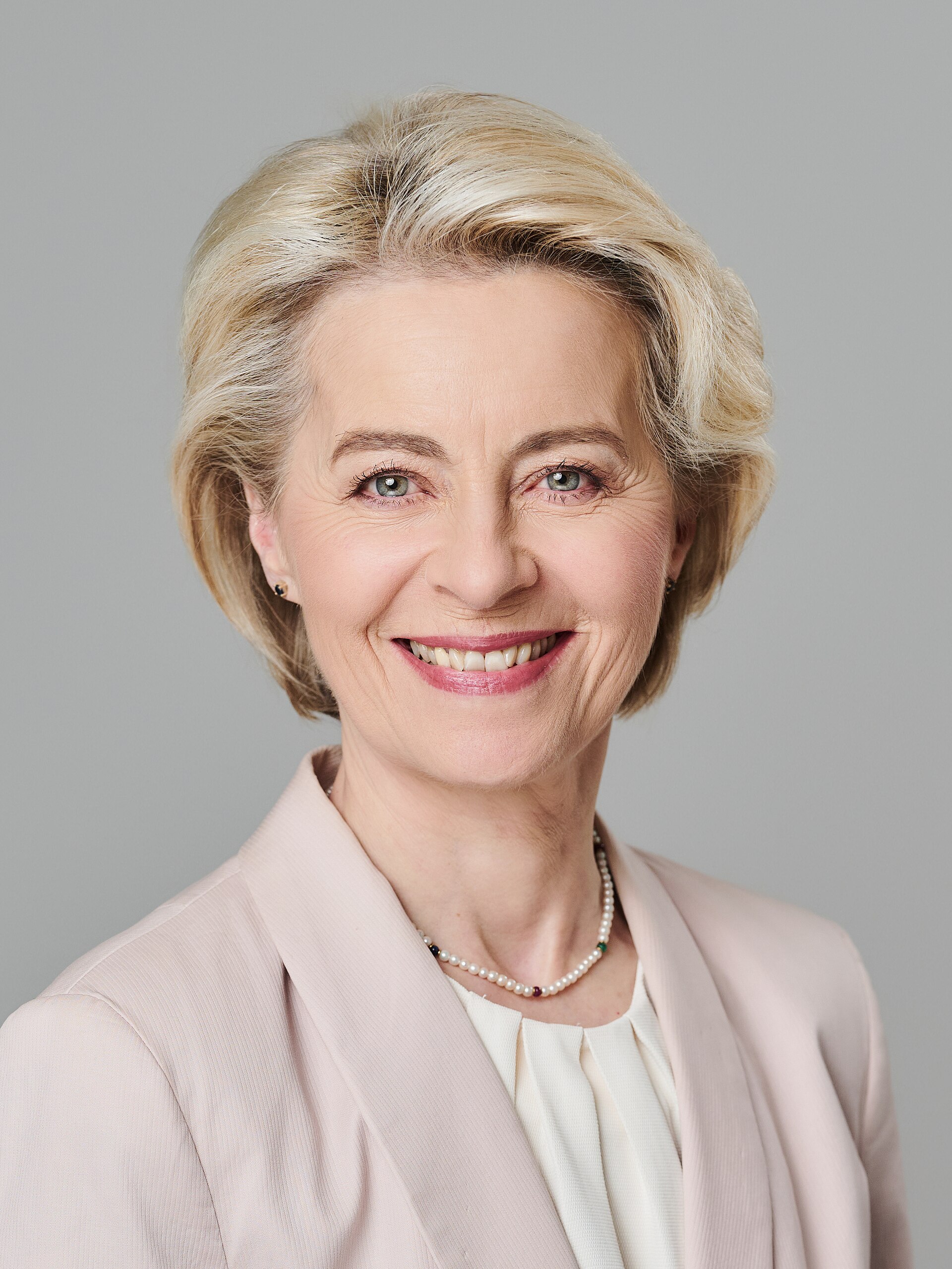
EU line on sanctions, energy and diplomatic initiatives - and coordination between member states.
Central in the UN management and coordination of cross-sector focus lines around security, humanitarian needs and political follow-up.
Historical key personnel (reported as killed)
These profiles are included as context for conflict dynamics, management change and regional risk assessment.
Used as context for leadership change, command structure and escalation risk in the Lebanon/Israel axis.
Relevance in analysis of non-state actors, political signal, and possible conflict spread.
Historical context for today's regional network, deterrence patterns and US-Iran dynamics.
Tips
- For actual names associated with military positions, see sources/briefings (roles can change quickly).
- If you wish, the page can be expanded with separate profile cards per person biography, quotes and timeline.
- Primary sources used in this update: White House (administration), CENTCOM press releases and UN Secretary-General pages.
- New April 14: role descriptions are synchronized with the latest open-source checkpoint; updates include ongoing pause consolidation, stable Hormuz corridor traffic, continued limited inspector-access reporting and no publicly confirmed broad strategic settlement.