Gen. Dan Caine
Chairman of the Joint Chiefs of Staff (USA)
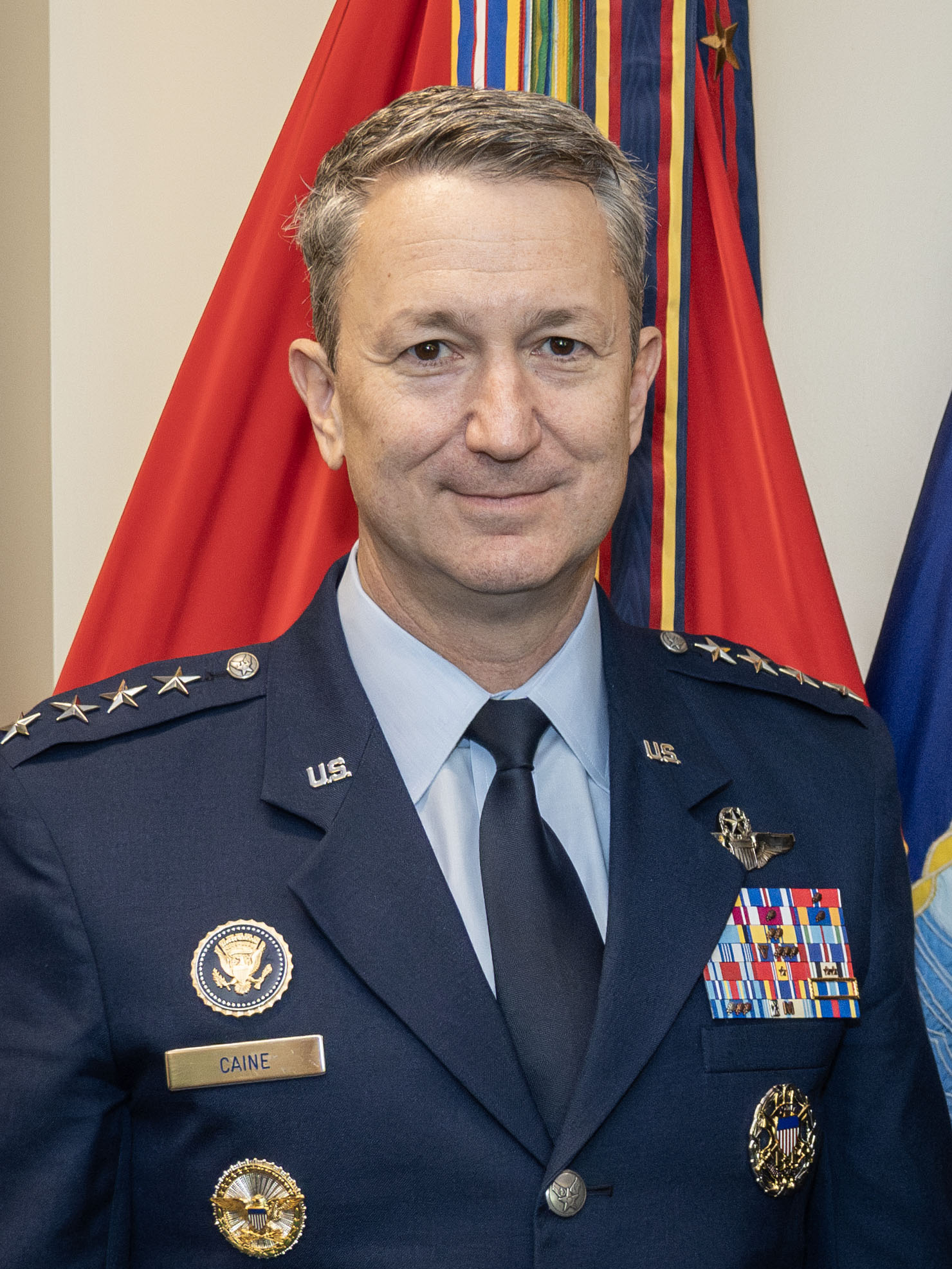
Supreme Military Advisor: integrates services, advises on risk and military action options.
Background
Gen. Dan Caine represents the highest level of military advice in the United States, responsible for providing decision makers with realistic options for action under time pressure. The role is at the core of how risk is translated from operational detail to strategic understanding.
In high-intensity periods, this function is crucial because it ties together multiple defense branches, command levels and partner expectations. A precise advisory picture can mitigate misprioritization; a weak image can enhance it.
Historical context
Historically, the Joint Chiefs function has been most important when political goals are ambitious, but the operational space is uncertain. Then the quality of the recommendations for pace, endurance and friction becomes a strategic competitive advantage.
In 2026, this is extra clear: the situation requires simultaneous effect, coordination and safety margins in an environment with a high probability of misunderstandings and rapid chains of events.
Role in Operation Epic Fury
In Epic Fury, the Caine role affects which options are perceived as justifiable and feasible. This applies to everything from target prioritization to recommendations on limiting or expanding operational efforts.
The role is also central in the learning loop after incidents with operational friction. How such incidents are translated into new procedures and risk criteria is a key indicator of the system's maturity.
Key risk factors
- That the decision-making basis is too short-term in the face of political pace.
- That interoperability between partners is overestimated in complex phases.
- That capacity consumption is not weighed correctly against strategic duration.
- That event learning is not implemented quickly enough throughout the chain of command.
What you should follow next
- Signals about adjustment in risk criteria and operational recommendations.
- How learning after events is described in military communication.
- Emphasis on persistence versus short-term effect.
- Degree of coordination between different defense branches and partner forces.
- Whether the advice line appears consistent over time.
Analytical summary
Caine should be followed as an indicator of military realism in the system. When the advisory level maintains the balance between effect and control, the danger of tactical pressure creating strategic imbalance is reduced.
Last verified April 14, 2026: The role has been updated against open sources from the last few days (incl. the CENTCOM/UN track), with no publicly confirmed main change in role responsibilities.