Masoud Pezeshkian
President (Iran)
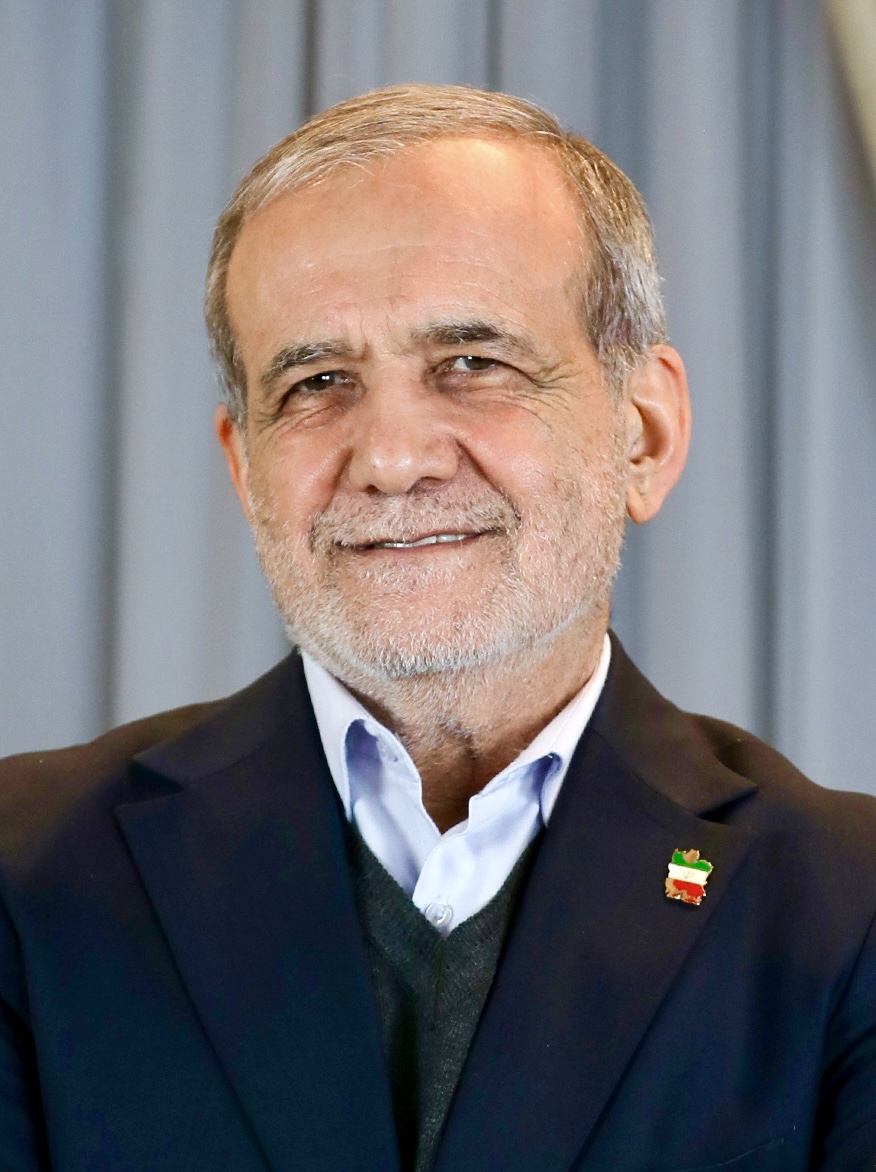
Civil senior manager with responsibility for the government's line, communication and coordination with the security agencies.
Background
Masoud Pezeshkian stands in a role where the civil state line must held together under external military pressure. In this type of conflict means that public communication, national prioritization and institutional coordination becomes as important as formal policy decisions.
For the Iran analysis, the presidential role is particularly relevant because it influences how the regime presents legitimacy, endurance and crisis management internally, while the country deals with international pressure.
Historical context
Historically, top Iranian civilian roles have had to balance between domestic political stability and foreign policy signalling. This one the balance becomes demanding when security issues dominate the public sphere the agenda.
In 2026, this is clear in that national communication about risk, sanction effect and government control can have a direct impact on where a lot of room for action that is felt to be found externally.
Role in Operation Epic Fury
In the Epic Fury period, the Pezeshkian role is about holding one coherent national narrative: what the country can withstand, what it wants to achieve, and which political tracks are kept open. This affects both internally robustness and external negotiating position.
The role is also important for prioritizing civil considerations and safety measures. The more clearly this priority is communicated, the easier it becomes to read whether the state is seeking a controlled response or wider confrontation.
Key risk factors
- That domestic political pressure reduces flexibility in political line.
- That rhetorical harshness locks room for action in diplomatic tracks.
- That financial burden affects decision-making pace unpredictably.
- That coordination between civil and security institutions becomes unclear.
What you should follow next
- Official statements on national priorities and risk picture.
- Signs of a changed balance between civil protection and security measures.
- Language of negotiation versus long line of resistance.
- Indicators of economic and social burden in public communication.
- Consistency between the presidential line and other government messages.
Analytical summary
Pezeshkian should be analyzed as a link between internal stability and external signalling. When this balance shifts, it often changes as well the political pace of the conflict.
Last verified April 14, 2026: The role has been updated towards open sources (incl. AP/Reuters/CENTCOM/UN). New developments point to sharpened rhetoric from presidential level at the same time as the Gulf track is still marked by a mix of de-escalating signals and operational pressure.