Ahmad Vahidi
Minister of Interior (Iran)
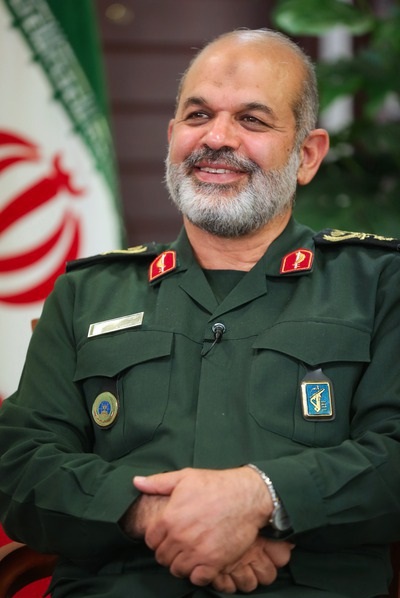
Internal security, preparedness, crisis management and coordination with security and order authorities.
Background
Ahmad Vahidi represents the domestic security and preparedness dimension of Iran's response. This role is often underestimated in external analysis, but is central because internal stability determines how much strategic leeway the state feels it has externally.
The domestic level governs, among other things, how the threat level is communicated to the population, how preparedness is organized in practice, and how civil authorities interact with the security apparatus under prolonged pressure.
Historical context
Historically, internal security functions in the region have been of great importance for conflict endurance. When external pressure increases, the ability to handle social pressure, information flow and crisis management becomes a strategic factor.
In 2026, this applies particularly in light of the risk of secondary effects: economic uncertainty, information disturbances and increased demands for coordination between levels of government.
Role in Operation Epic Fury
In the Epic Fury period, the Vahidi role is relevant to understanding how the state absorbs shocks and maintains control in internal systems. This indirectly affects how aggressive or defensive the outside line can be.
The role also affects how quickly the authorities can adjust practical emergency measures when the situation changes. Good internal coordination can dampen panic, while weak coordination can intensify political stress.
Key risk factors
- That internal communication about the threat picture becomes inconsistent.
- Those resources are distributed too reactively between sectors.
- That civil consequences grow faster than the emergency measures.
- That internal security line pushes diplomatic flexibility down.
What you should follow next
- Public signals about preparedness and civil protection.
- Changes in prioritization between control measures and community support.
- Coordination signals between different authorities.
- Pace in the implementation of new risk-reducing measures.
- How internal risk communication develops over several days.
Analytical summary
The Vahidi site should be used to read internal robustness in the conflict. When domestic governance becomes more rigid or more flexible, it can provide early signs of change in the overall state line.
Last verified April 14, 2026: The role has been updated against open sources from the last few days (incl. the CENTCOM/UN track), with no publicly confirmed main change in role responsibilities.