António Guterres
UN Secretary General
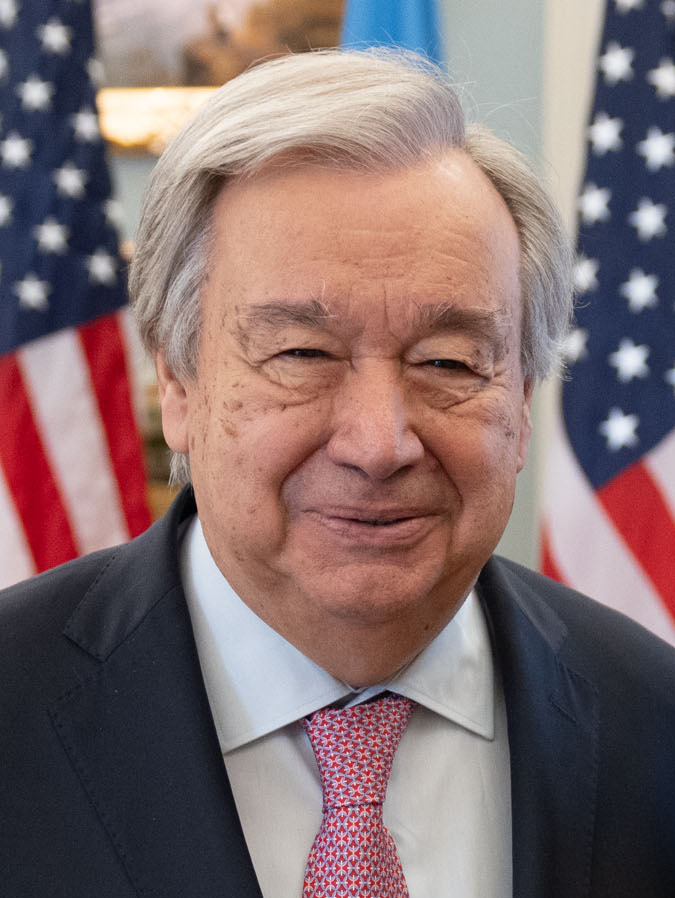
Legitimacy and de-escalation: statements, mediation and coordination of humanitarian lines.
Background
António Guterres leads the UN in a phase where international conflict management requires both a clear normative direction and practical diplomatic perseverance. The Secretary-General's role is central because it can gather political attention on de-escalation without being a party to military implementation.
In crises of high complexity, this role becomes important in order to maintain a minimum of common language about international law, civil considerations and negotiation needs. Without such a language, the risk of the conflict being governed by pure power signals increases.
Historical context
Historically, UN leadership is most effective when it combines public pressure with quiet diplomacy over time. This often creates a slow but stable framework that can be used when the parties seek a way out of deadlocked positions.
In 2026, this historical experience is relevant because the military tracks move quickly, while the diplomatic tracks need continuity to be effective. The Secretary-General's consistent message then becomes an important stability factor.
Role in Operation Epic Fury
During the Epic Fury period, Guterres serves as the central de-escalation voice in open sources. Statements about the risk of uncontrolled escalation, the need for negotiation and civil protection provide a normative framework that other actors must relate to.
The role also has practical significance through the influence of diplomatic contact surfaces. When the UN message is consistent, the chance of third-party initiatives gaining political legitimacy increases.
Key risk factors
- That the parties use UN statements selectively in their own rhetoric.
- That the normative message is not followed by enough diplomatic capacity in practice.
- Those humanitarian considerations become principled, but not operative.
- That political polarization weakens the impact of the UN track.
What you should follow next
- New Secretary-General statements on the Middle East and de-escalation.
- Whether the parties respond with concrete confidence-building measures.
- Connection between UN rhetoric and developments in diplomatic activity.
- How civilian consequences are prioritized in international forums.
- Whether third-party actors support a common de-escalation line.
Analytical summary
Guterres should be followed as an indicator of diplomatic temperature in the system. When the UN line resonates with key actors, the possibility increases that the course of the conflict will have political braking mechanisms.
Last verified April 14, 2026: The role has been updated against open sources from the last few days (incl. the CENTCOM/UN track), with no publicly confirmed main change in role responsibilities.