Marco Rubio
Secretary of State (USA)
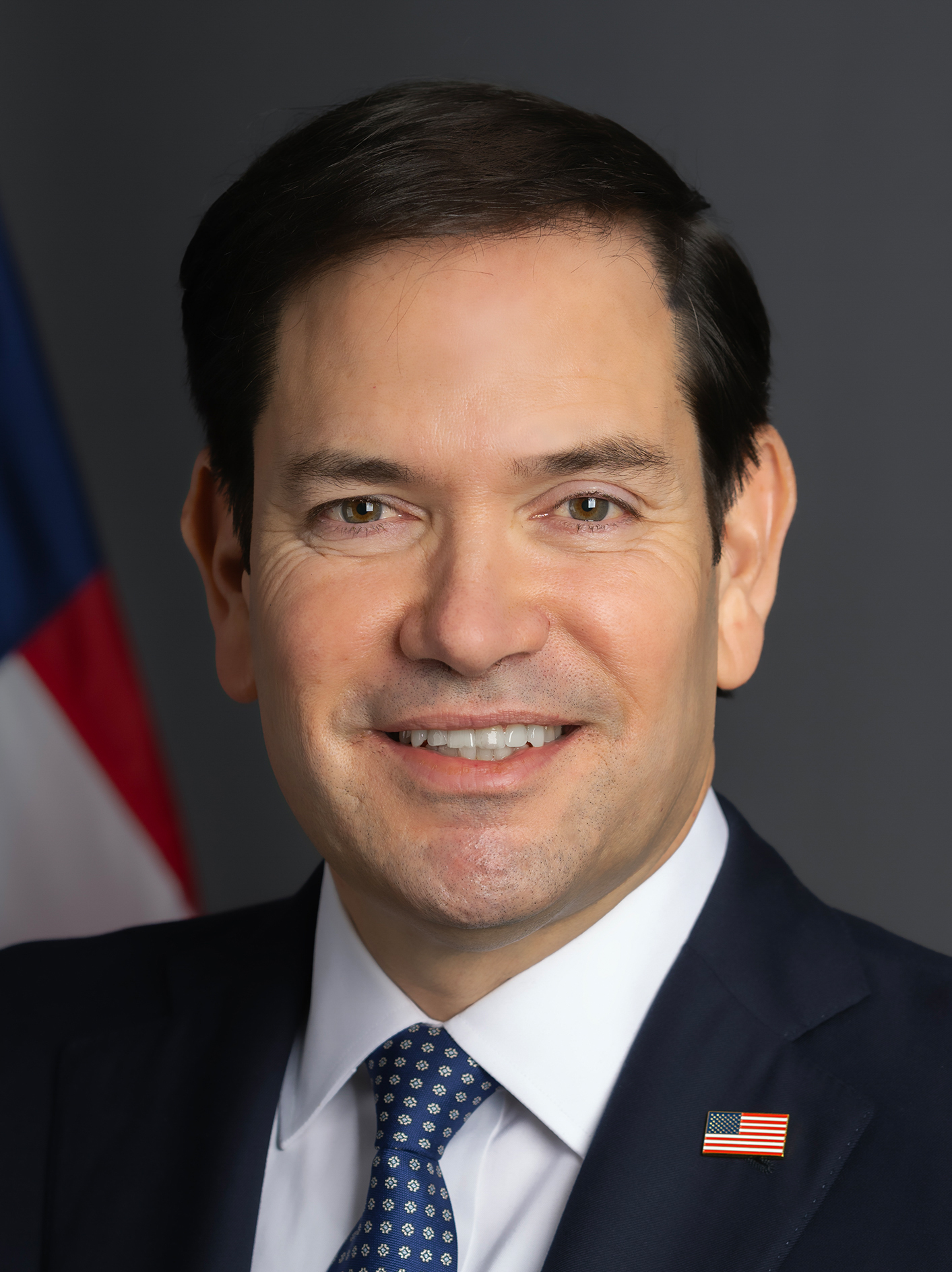
Coordinates diplomatic tracks, allies, sanctions and UN lines parallel to military planning.
Background
Marco Rubio represents the US diplomatic main line in a phase where military and political tracks run parallel. The Foreign Minister's role is to keep alliances together, protect the room for action in multilateral forums and ensure that military activity does not close all political exits.
This makes the role crucial when conflicts become protracted: foreign policy coordination affects both legitimacy, sanctions track and partner support, and thus also how sustainable the military line becomes over time.
Historical context
In Middle Eastern crises, the Ministry of Foreign Affairs has historically had the greatest effect when it manages to combine pressure with credible de-escalation mechanisms. It is not about opposition to military power, but about directing it towards a political final logic.
The 2026 situation follows this pattern: the higher the operational tempo, the more important diplomatic capacity becomes to prevent regional actors from pulling in different directions.
Role in Operation Epic Fury
In the Epic Fury context, Rubio influences how the US explains goals, delineates intent, and builds support in partner countries. Formulations from the State Department may be decisive for whether other states see the campaign as controlled deterrence or open escalation.
The role is also central in coordination with the UN track and European actors. When the message is consistent, the possibility of a common line of pressure combined with clear diplomatic contact points increases.
Key risk factors
- That military progress is not followed by just as quick diplomatic clarification.
- That allies perceive the goals differently and provide fragmented support.
- Those sanctions and negotiation tracks are poorly coordinated.
- Those diplomatic windows are closed for harsh rhetorical binding.
What you should follow next
- New statements on end goals and conditions for de-escalation.
- How closely the US coordinates the line with the EU, UN and regional partners.
- If third-party mediation is referred to as a realistic means of action.
- Balance between deterrence language and negotiation language.
- Reactions of partner countries to State Department communications.
Analytical summary
Rubio should be read as a key player in the political direction of the conflict. When the diplomatic line keeps pace with the military, the chance of controlled development and lower risk of regional proliferation increases.
Last verified April 14, 2026: The role has been updated against open sources from the last few days (incl. the CENTCOM/UN track), with no publicly confirmed main change in role responsibilities.